
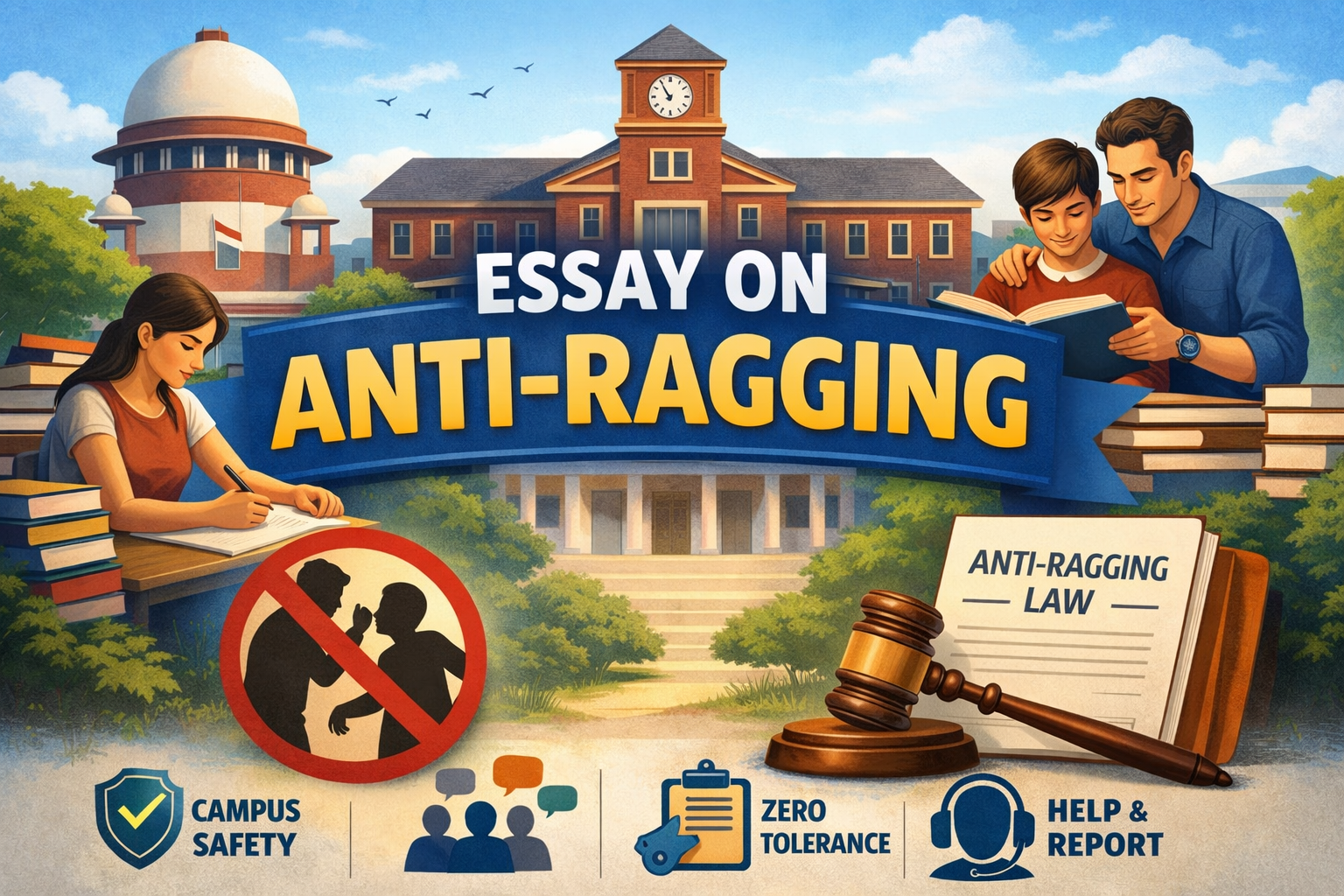
Ragging remains one of the most critical challenges in educational institutions across India. Despite widespread awareness campaigns and legislative measures, incidents of harassment, psychological abuse, and even physical abuse continue to occur in colleges and secondary schools. Anti-ragging policies are no longer optional—they are a necessity for fostering a culture of respect, dignity, and mutual understanding among students. This essay explores the psychological, social, and legal implications of ragging, examines the effectiveness of anti-ragging policies, and offers practical strategies for creating safer campus environments.
Understanding Ragging and Its Consequences
Ragging is commonly described as any form of physical, emotional, or psychological abuse inflicted on newcomers or freshers during initiation rituals or peer group integration. While some perceive it as a rite of passage, its effects extend far beyond academic performance. Victims often experience emotional trauma, stress, anxiety, and a sense of social exclusion, which can hinder academic growth and personal development.
In India, the Supreme Court has repeatedly emphasized the need for strict prohibitions against ragging, declaring zero tolerance for any form of harassment in educational institutions. This landmark judicial stance underscores that ragging is not a harmless tradition but a serious violation of student rights and human dignity.
Psychological and Emotional Impact
The psychological impact assessment of ragging victims reveals alarming trends. Beyond immediate emotional abuse, students report long-term effects, including depression, low self-esteem, and difficulty trusting peers. For perpetrators, engaging in ragging can reinforce toxic power dynamics, impede emotional intelligence development, and foster unethical behavior patterns. Addressing these psychological implications requires a combination of early intervention programs, counseling services, and mentorship initiatives.
Social and Legal Implications
Ragging also carries profound social and legal consequences. Socially, it fosters environments where bullying and intimidation are normalized, undermining inclusivity and peer support networks. Legally, the Anti-Ragging Legislation in India mandates strict disciplinary actions, including expulsion, fines, or imprisonment for offenders. Educational institutions are required to implement grievance redressal mechanisms, maintain an anonymous reporting system, and adhere to UGC guidelines to ensure student safety.
Anti-Ragging Policies: Implementation and Effectiveness
A core pillar of anti-ragging initiatives is implementing zero tolerance policies within campuses. These policies are designed not only to punish offenders but also to prevent the emergence of a culture that allows ragging to thrive. Effective anti-ragging policies often include:
- Mandatory ragging affidavits signed by students and parents.
- Peer education programs and mentorship programs to foster positive socialization.
- Counseling and mental health support for both victims and perpetrators.
- Awareness campaigns such as Anti-Ragging Week to reinforce norms of respect and dignity.
- Clear reporting mechanisms and disciplinary procedures detailed on the institution’s official website.
For example, the NSS Unit in several Indian colleges has successfully implemented mentorship programs where senior students guide newcomers, helping create safer campus environments and reducing incidents of harassment. Similarly, essay writing competitions and college newsletters that highlight anti-ragging initiatives promote awareness and peer accountability.
Addressing the Root Causes of Ragging
Understanding why ragging persists is essential for prevention. Factors such as hierarchical power dynamics, peer pressure, and inadequate enforcement of rules create environments where harassment can thrive. Addressing these root causes requires fostering peer support networks, promoting emotional intelligence, and cultivating a culture of respect across all student communities.
- Power dynamics: Seniors asserting dominance over freshers can be mitigated through structured mentorship and early intervention programs students.
- Social acceptance pressures: Peer-led initiatives emphasizing collaboration and mutual respect reduce the need for hazing rituals.
- Lack of awareness: Informing students about their student rights, legal consequences, and psychological impacts fosters responsible behavior.
Case Study: Nellore College Initiative
In Nellore, several colleges have established anonymous reporting systems and combined them with workshops on conflict resolution and restorative justice. These initiatives have demonstrated measurable declines in ragging cases and improvements in student satisfaction and emotional well-being.
Creating Safe and Inclusive Campus Environments
Creating safer campuses is a multifaceted effort. Policies alone are insufficient unless complemented by a culture of respect and proactive engagement. Strategies include:
- Fostering Peer Support: Encouraging seniors to act as mentors rather than enforcers.
- Early Intervention Programs: Identifying at-risk students and providing counseling to prevent escalation.
- Awareness Campaigns: Hosting Anti-Ragging Week activities and competitions to instill values of dignity and inclusion.
- Reporting Mechanisms: Implementing anonymous channels for reporting ragging incidents ensures timely action.
- Monitoring and Evaluation: Regularly assessing psychological and social impacts of ragging through surveys and feedback.
By integrating these strategies, institutions not only comply with anti-ragging legislation but also create safer campus environments conducive to academic and personal growth.
The Role of Legal and Judicial Oversight
The Supreme Court in India has repeatedly reinforced the zero tolerance approach, urging institutions to adopt disciplinary actions against perpetrators. Anti-ragging laws emphasize the importance of grievance redressal mechanisms and public accountability. Educational institutions must clearly communicate these policies, including steps for how to report ragging incidents, to empower students and protect their rights.
Beyond Prevention: Ethical and Cultural Considerations
Ragging often masquerades as a cultural rite of passage, but ethical reflection demands questioning its legitimacy. Institutions and student bodies must evaluate whether initiation rituals promote learning and camaraderie or perpetuate emotional trauma and abuse. Ethical anti-ragging practices prioritize:
- Respect for human dignity
- Mutual understanding and collaboration
- Encouragement of healthy learning environments
By shifting focus from punishment alone to prevention strategies and ethical behavior, campuses can cultivate lasting cultural change.
Conclusion
Ragging is more than a breach of student discipline—it is an assault on dignity, emotional well-being, and academic growth. Combating it requires a comprehensive strategy: implementing zero tolerance policies, fostering peer support, raising awareness, and providing effective grievance redressal mechanisms. Institutions, guided by Supreme Court directives and Anti-Ragging Legislation, must take proactive measures to create safe and inclusive campus environments. Through mentorship programs, Anti-Ragging Week activities, and ethical reflection on initiation practices, educational institutions can transform the student experience, ensuring that respect, dignity, and mutual understanding prevail over abuse and harassment.
Actionable Takeaways:
- Advocate for early intervention programs students to prevent ragging.
- Participate in Anti-Ragging Week activities to raise awareness.
- Use anonymous reporting systems to report incidents safely.
- Support mentorship programs to foster peer support networks.
- Promote ethical campus culture emphasizing dignity and mutual respect.
